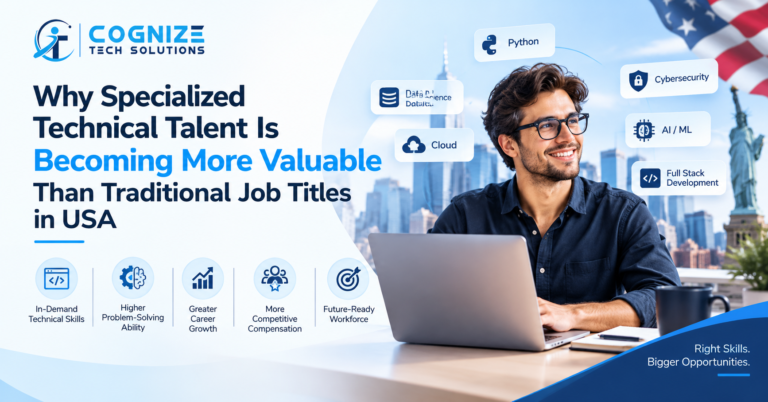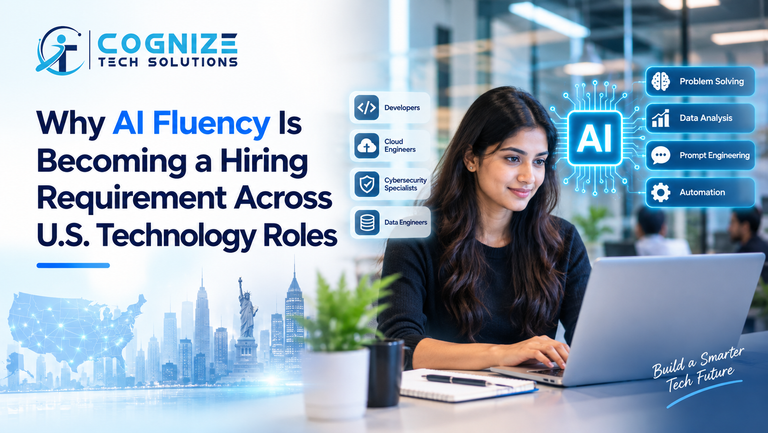
How companies in the United States measure someone’s technical competency is evolving? In fact, for many years, software developer, systems administrator, data analyst or IT manager have been common job titles that were first on the hiring list. Titles are still relevant but cannot tell the whole story.
Organizations cannot simply rely on labels with the advent of technology. The expert in charge of providing the infrastructure for the cloud may be responsible for securing artificial intelligence systems today. Now a data analyst can be responsible for creating reports that run automatically. Scripting, security tools and AI assistants- all of these can be utilized by a support specialist who could previously need a number of teams to resolve.
Skills Show What People Can Do
Job title is a job description and does not necessarily reflect the actual abilities of a person. Titles vary from one company to the next, industry to industry, and region to region. While one organization’s “data engineer” may be responsible for pipelines, another may want that same role to be in charge of databases, analytics platforms and machine learning systems.
Skills give a better indication. Employers are increasingly looking at whether a candidate can get a cloud environment up and running, automated a process, developed a reliable API, managed data quality, deploy applications or even investigate security incidents.
This change gives companies the opportunity to consider portfolios, certifications, technical evaluations, project results and real-world experience. Rather than merely asking what was this person’s title, hiring teams are asking, “What problems have you solved?“
Technology Changes Faster Than Titles
There are new technologies before standardized job titles. Employers might need expertise in areas such as artificial intelligence infrastructure, responsible AI, cybersecurity automation, platform engineering and cloud cost management, but may not have a clear-cut job title for the skill.
Newly emerging technology job reporting reveals that while there was considerable demand for skills specific to artificial intelligence, there was also strong demand for them in many other job categories. U.S. employers are also taking on jobs related to security, engineering and quality, deployment, analytics and technical delivery, showing that specific skills are distributed throughout the tech industry.
Specialized Talent Solves Specific Problems
Rarely do firms have need to fill a vacant seat with an unwelcome technical expert. They hire because they see a need to fill. A business can require system migration, cost savings, safeguarding of sensitive information, modernization of an application or improving data quality, among other reasons, to introduce AI responsibly.
There are different combinations of skills needed for each goal. This may not be sufficient for a general “IT professional”. Employers may require someone with Kubernetes background, identity management experience, Terraform, security information and event management skills, Python automation skills, data governance skills and model monitoring skills.
The better a company is able to articulate the problem, the clearer its approach will be to the solution, enabling identification of the specialist who can resolve it. This also gives a benefit for interviews as they will be able to speak about the projects rather than answering general questions.
Skills-Based Hiring Opens the Talent Pool
By emphasizing old-style job descriptions or educational backgrounds, employers may miss out on certain people. A candidate might have acquired beneficial skills through certifications, open-source projects, contract work, military service, boot camps, in-house training or some other adjacent job.
Skills-based hiring doesn’t mean taking out the standards. It’s about assessing skills that really count for success. An assessment, work sample, technical discussion or portfolio review may be more than a familiar title revealing.
This can be a good way to help people with career changes and job seekers who want to go back to work. A systems administrator who recently made a transition into the cloud may be well-equipped even if their former positions didn’t exactly align with the job title of the opening at hand.
Recruiters Must Understand Technical Depth
But as this trend continues to professionalize talent, recruiting dialogues must grow as well. Recruiters must have an understanding of the skills to assess whether the candidate has gained authentic experience or simply copied the key terms from a résumé. They should have a clear understanding of the difference between platform usage and designing architecture with a platform.
This is where the services of knowledgeable and top recruitment companies in USA like Cognize Tech Solutions can come in handy. A successful recruiter understands the business goals and can articulate them in terms of what the business needs to be able to do, knows how to look for transferable experience and poses focused questions before candidates make a call to the hiring manager.
Employers have to consider each firm on the list of recruitment companies in USA whether it has technical recruiters who are dedicated to recruitment and understand the newest tools and whether they have any proof of its placements in similar positions.
Retention Depends on Meaningful Work
Often, specialized professionals have more that they are driven by the remuneration. They desire problems to be challenging, tools that are up to date, decision making autonomy, learning and leaders who value their expertise.
Whilst a security engineer is employed, no frustration will result if they are denied any influence over security decisions. The employer can end up losing some of their best talent if a data professional spends the majority of the week cleaning up spreadsheets that are not connected to one another.
Job descriptions and interviews should outline the issues that the person will be responsible for, tools that will be used, the team structure and measurement of success. Open communication fosters clearer expectations-both when hiring and retaining.
Build Skills Internally
It is a good idea to hire in from outside, but companies should also cultivate their own specific talent. Conferred on the job training, mentoring, internal projects, certifications and temporary rotations can help employees develop new capabilities.
Often automation engineers become support specialists. It is possible for a Developer to evolve into a platform role. A business analyst can become a skilled data engineer or AI operations expert. Institutionalization perpetuates the knowledge within the organization and demonstrates to anyone working within that company that the organization is prepared to invest in them for the future.
The use of specialists from the top staffing firms in USA like Cognize Tech Solutions can assist with this approach, filling in gaps as needed while in-house personnel build up their expertise in the long term. The biggest staffing agencies in USA might have scale, but the best partner is the one who understands what exactly is the need of the capability gap.
Hire for Learning Ability Too
The candidate might not have utilized all the tools used in the company, but they could have learned new systems and used them effectively frequently. Inquire about candidates’ experiences with new technology, dealing with failure, documenting solutions and assisting colleagues in learning.
We see technical hiring as bringing people together to solve real business problems and make a difference. At Cognize Tech Solutions, we know that a job in the tech sector should ensure that people meet relevant business problems and make a difference. Chosen titles can start a conversation but how well you demonstrate the skills, relevant judgment and continuous learning will determine its value in the long run.
The future is not name-free one in the world of Technical Recruitment. It’s more considerate. While job title will retain the structure of choice for employers, the pressure will grow to peer below the label to see what skills professionals can create, secure, automate, analyze and improve.
Frequently Asked Questions (FAQs)
What makes specialized technical skills more valuable than job titles?
The job titles that are used in traditional careers can differ significantly from one company to another and may not accurately reflect the job holder’s ability. Employers know whether a candidate has the expertise and project experience to address actual business challenges after specialized skills and technical assessments and proven results.
What technical skills are U.S. employers looking for today?
While it can differ based on the industry and the business’s requirements, cloud infrastructure, cybersecurity, artificial intelligence, data engineering, automation, DevOps, application development, platform engineering and data governance are the most common areas that employers look for skills in. The ability to be flexible and continuously learn is also a growing necessity.
How does hiring by skills overcome challenges in the recruitment process?
Skills-based hiring emphasizes skills that are necessary to be successful, not only job title, degree or former employer. It can be useful for companies to find a qualified professional who has experience in certifications, contract jobs, in house training, open source projects or other related technical fields.
How do the best recruiting agencies in USA recruit tailored technical talent?
Best recruiting agencies in USA can convert business needs into specific technical skills, find qualified candidates, evaluate their hands-on experience and recognize transferable skills. Even senior technology recruiters can assist in assessing applicants that go beyond the keywords in their resumes.
What are the strategies that companies can use to retain highly skilled technical staff?
Meaningful technical challenges, up-to-date tools, learning opportunities, competitive pay, decision making authority and career paths are essential elements that can help companies retain talent. When staff understand how their work affects others and their organization places importance on their staff development, they are more likely to be retained.